The true cost of animal leather, and why we chose plants instead
Two questions sit behind every leather bag: what it cost an animal, and what it cost the land. Neither has a comfortable answer.
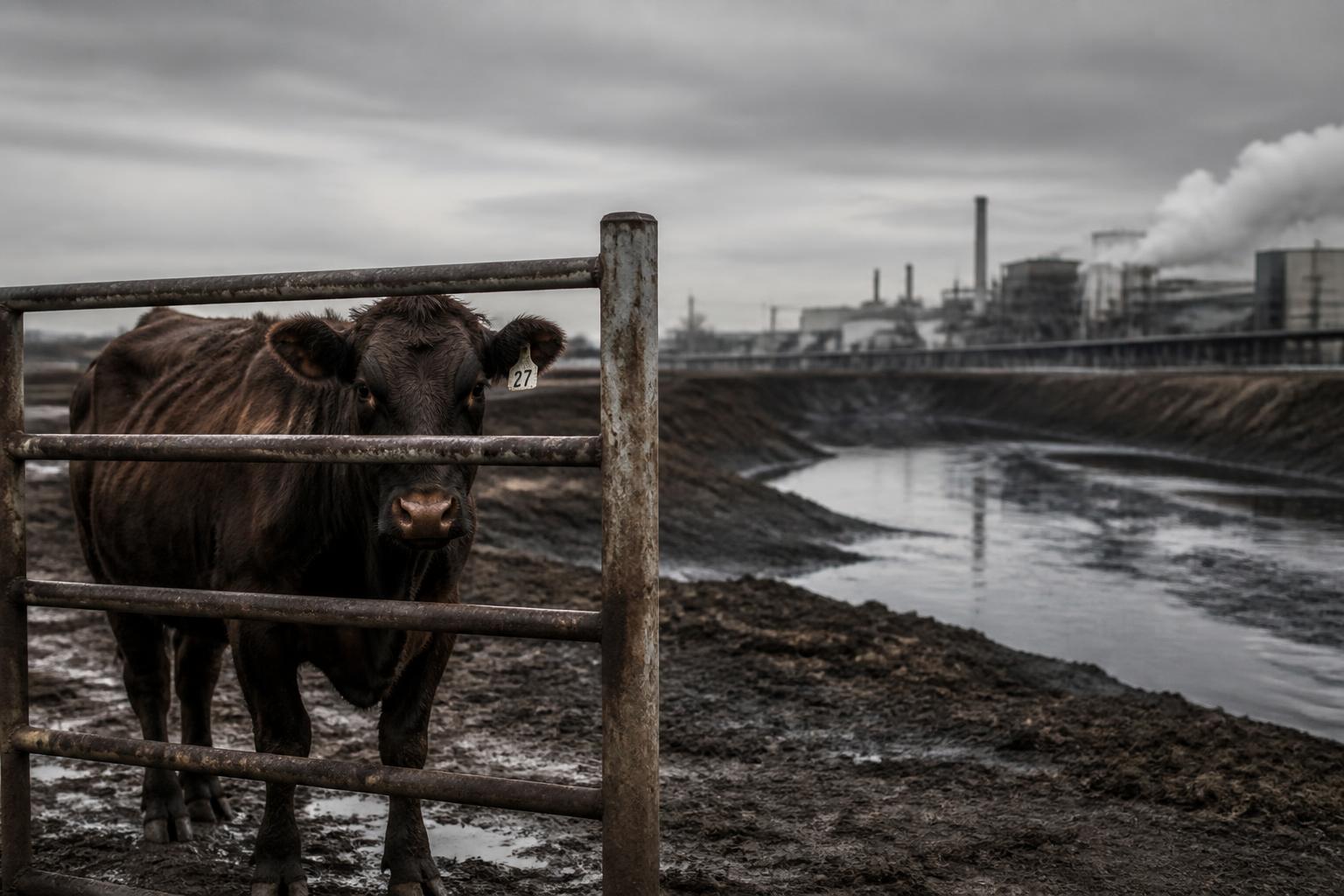
Leather has been sold to us as a natural material, and for a long time nobody asked what natural was doing in that sentence. It is worth asking now.
The ethical cost
Leather is skin. The industry describes it as a by-product, which suggests something that would otherwise be discarded, but hides are a valuable co-product of animal agriculture and they carry commercial weight in the decision to raise and slaughter an animal in the first place. A bag made from an animal is a bag that required an animal.
For exotic skins the distance between the material and the animal is even shorter. There is no way to describe a crocodile or python skin as a by-product of anything. It is the product.
We did not want a beautiful object with an animal at the beginning of the story.
The environmental cost
Animal leather inherits the footprint of livestock, which the United Nations Food and Agriculture Organization has documented as a major source of greenhouse gas emissions, land use and water use. Cattle grazing and the feed grown for it are among the leading drivers of deforestation, particularly in South America.
Then the hide has to be turned into leather. Most of the world's leather is chrome tanned. The process can involve chromium salts, acids, dyes, solvents and other chemicals, creating wastewater and solid waste that require rigorous treatment. Where safeguards are weak, contamination can reach rivers, soil and surrounding communities.
The human cost of tanning
The people who tan and finish leather can also carry part of its hidden cost. Without proper controls, workers may be exposed through skin contact or by breathing chemical dust and vapours. The risks can include irritation, respiratory illness and longer-term health effects. Safe facilities can reduce exposure, but the need for intensive chemical management remains part of conventional leather production.
- Livestock is a significant contributor to global greenhouse gas emissions
- Cattle ranching remains a leading driver of tropical deforestation
- Chrome tanning creates chemically contaminated wastewater and waste that demand careful treatment
- Tannery workers and nearby communities can face chemical exposure where protections are inadequate
- None of this is visible in the finished bag, which is the problem
Why plant leather is the better option
Plant leather begins somewhere else entirely. Ours begins with repurposed coffee grounds and with bamboo, one of the fastest growing plants on earth. No animal is involved at any point, and the raw material is either a crop or something that had already been used once.
We are not going to pretend a plant material has no footprint. Everything made has a footprint. What we will say is that the two questions at the top of this piece have honest answers here: nothing was skinned, and the input was a plant rather than a herd.
What it means for a bag
Choosing differently should not mean accepting a lesser object. Bambote is constructed in bamboo leather, while Espressa is made in coffee leather with a croc texture. Both are PETA-Approved Vegan, designed in Dubai, and finished with the considered construction and hardware expected of a luxury bag.
Plant leather is the kinder option, for animals, the planet and people.
Sources

